Gardens & Grounds
The Grotto is a hidden oasis in the middle of the city; come visit and enjoy the peace, tranquility, and beauty of our Upper Gardens.
Statues
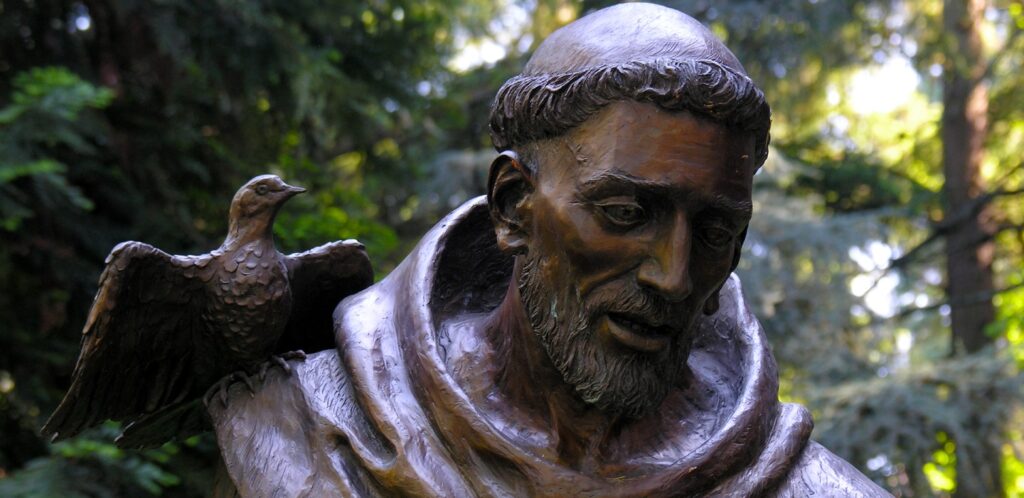
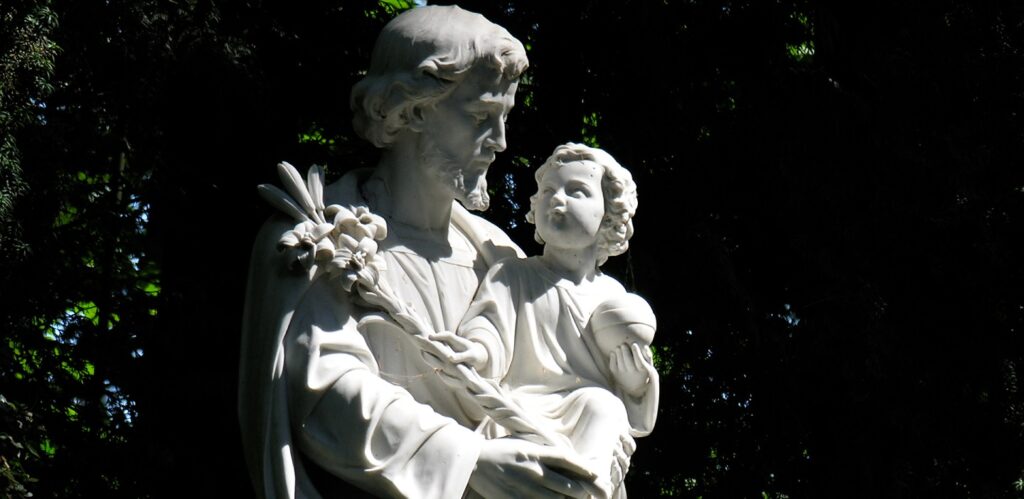
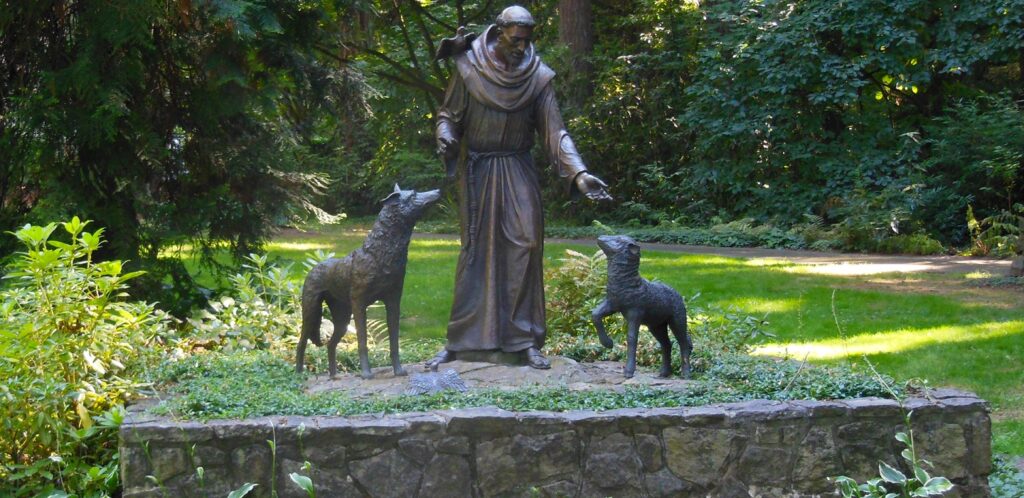
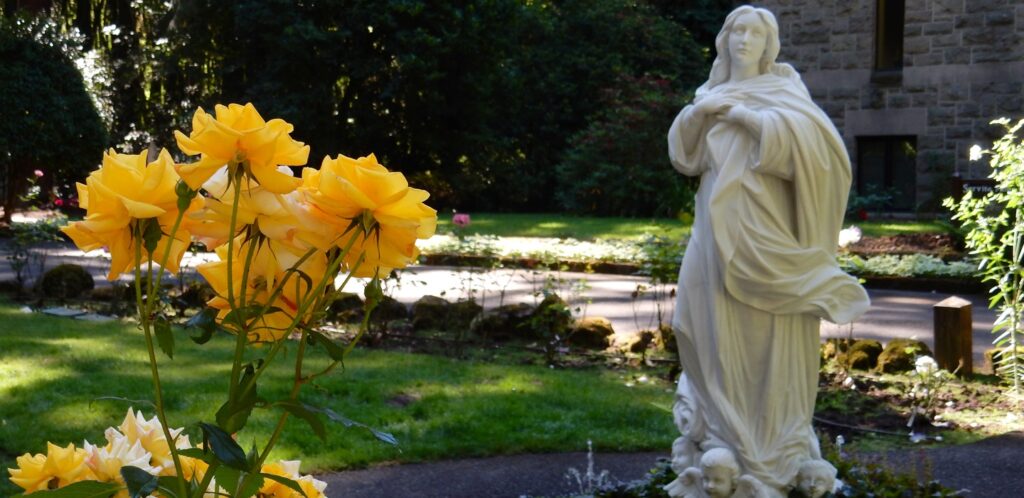
The Grotto is home to hundreds of beautifully carved statues. Whether it is the bronze image of St. Francis of Assisi, or the tender marble statue of St. Joseph and the child Jesus, or the timeless wood sculptures featured in the Via Matris, each one is special. The statues at The Grotto are made from marble, granite, bronze, wood, polyester resin and fiberglass.
Meditation Chapel
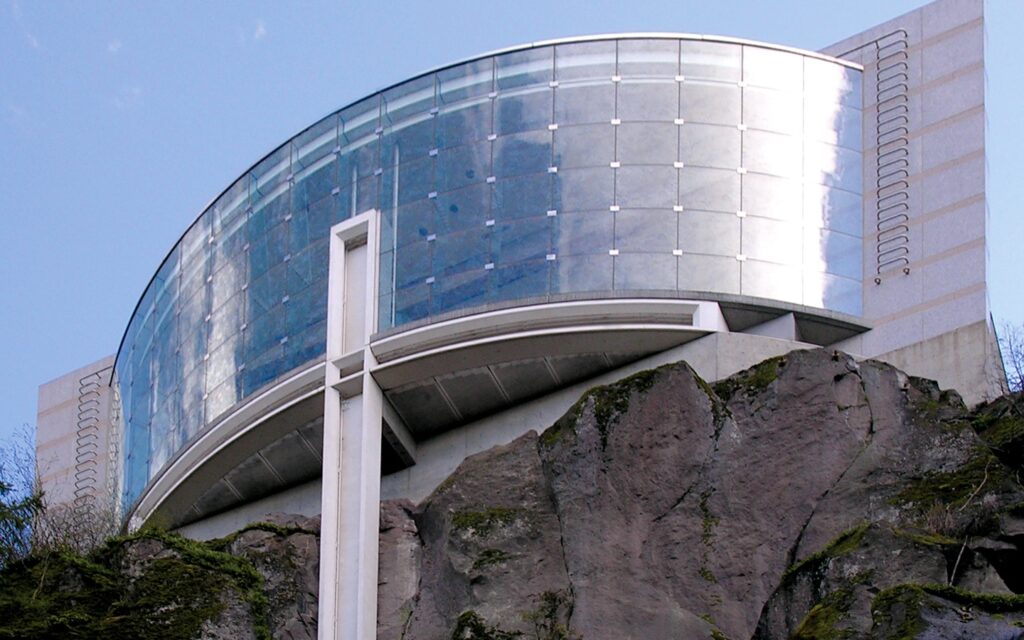
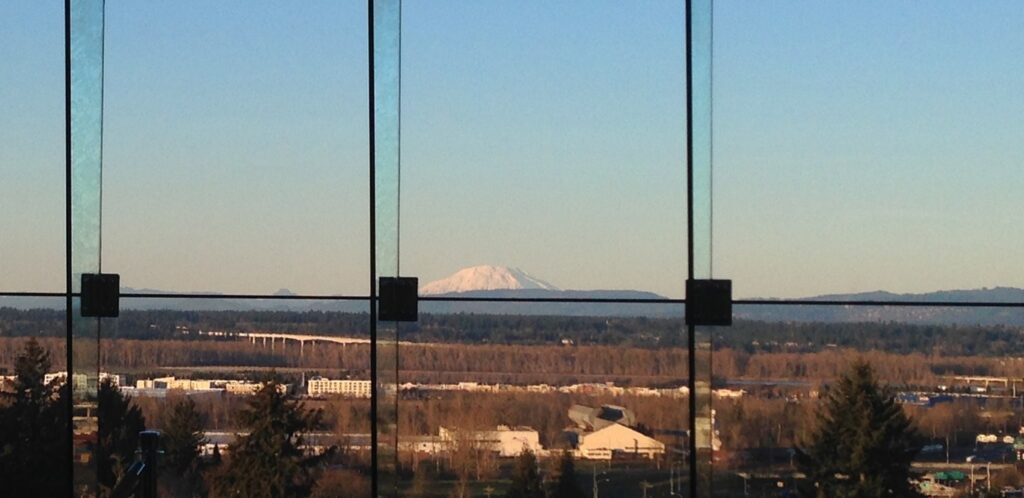
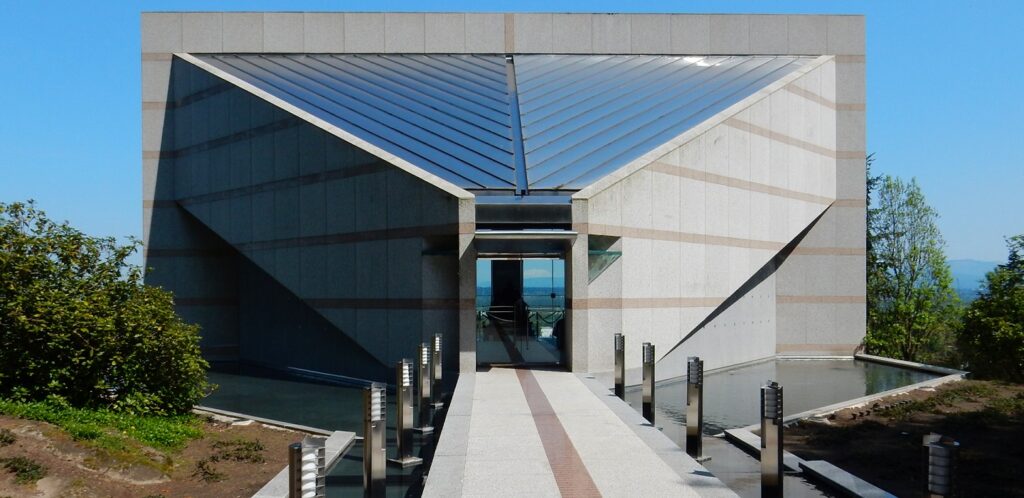
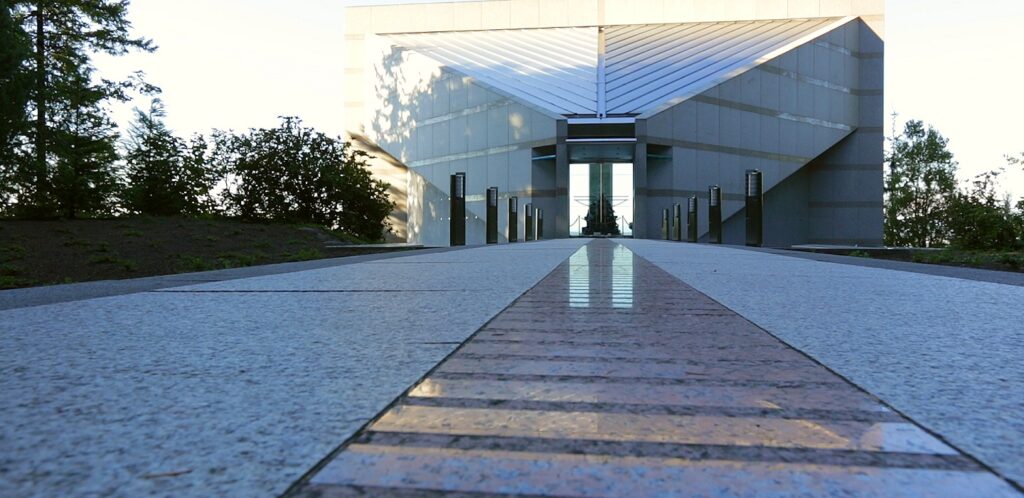
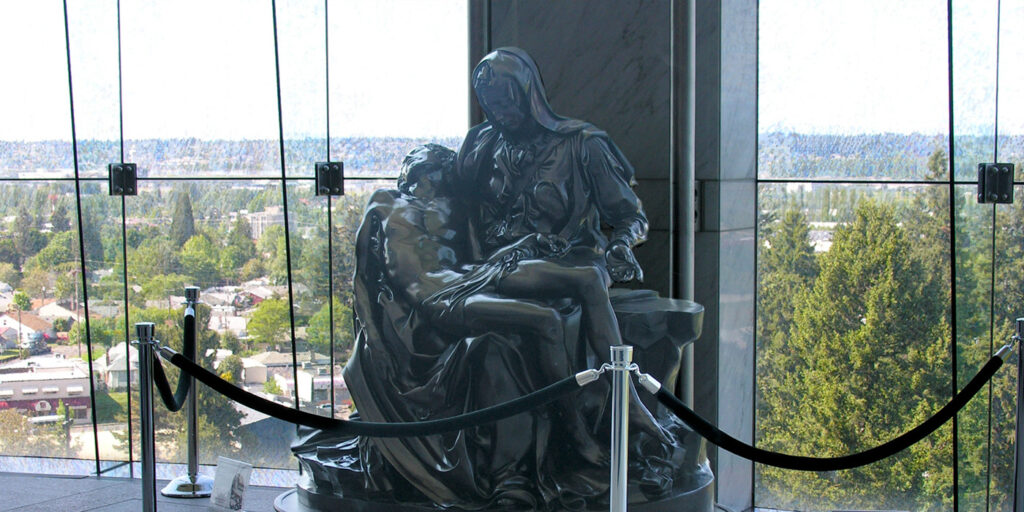
The Grotto Meditation Chapel, built in 1991 to honor the memory of Marilyn Moyer, rises from the north face of Rocky Butte; it provides a panoramic vista of the Columbia River and Mt. St. Helens. On a clear day even Mt. Rainier may be visible. The Meditation Chapel is 1,500 square feet in size, built of polished granite.
The cliff-side glass exterior of the Meditation Chapel with its lighted cross offers a dramatic view which can be seen by southbound travelers on Interstate 205. The building has received both national and international architectural awards.
The Peace Garden
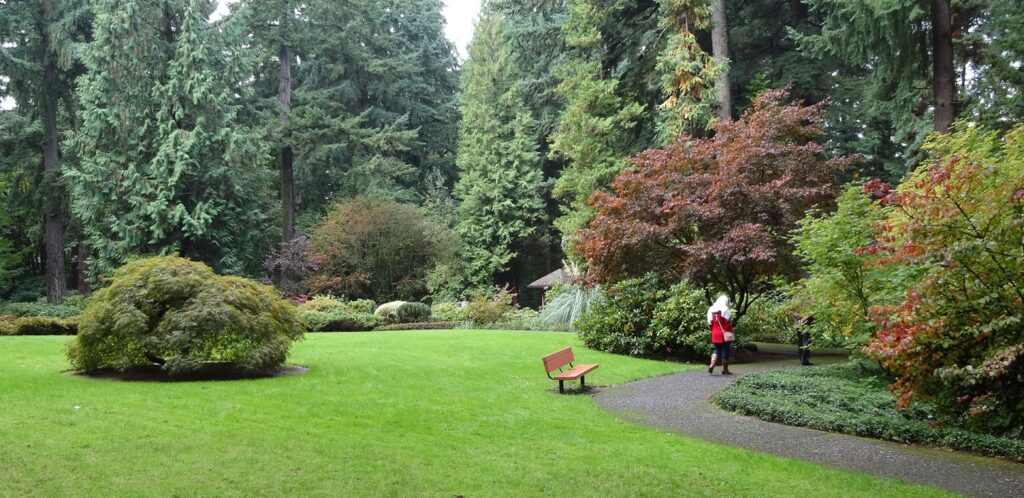
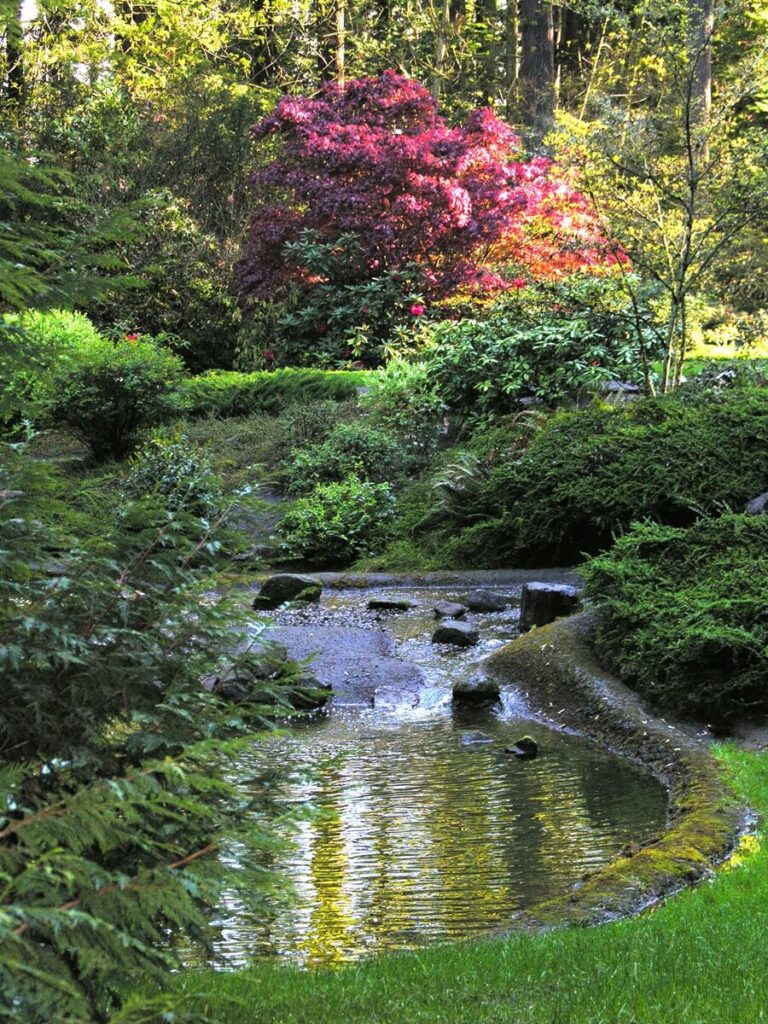
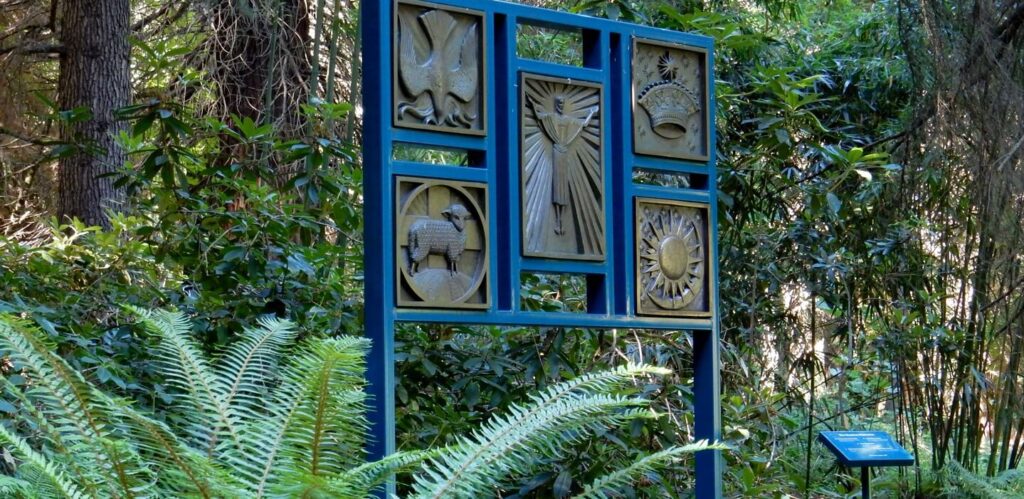
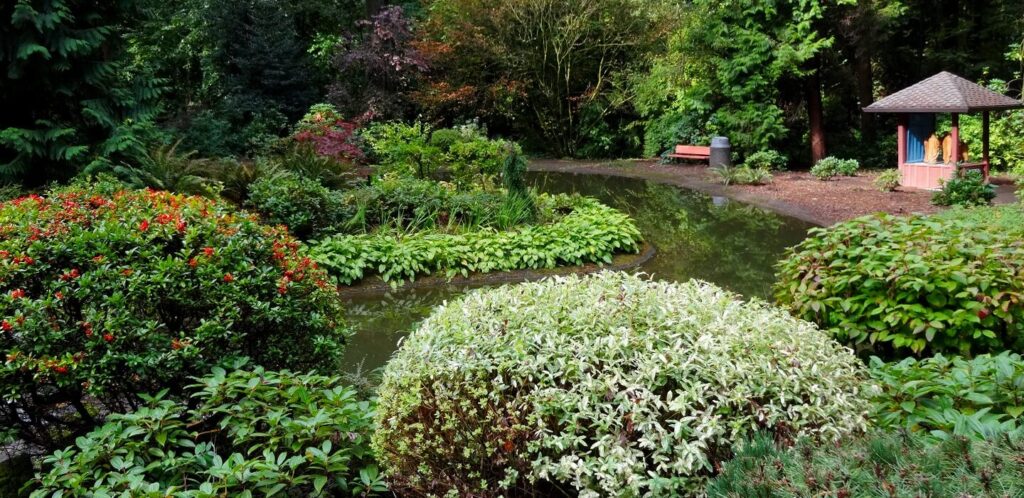
The Peace Garden has been a part of The Grotto’s upper level since 1989 because of a generous gift from Henry J. Casey in memory of his sister Marguerite. The Peace Garden covers one and half acres. Incorporated into the landscaping are the Mysteries of the Rosary. They are depicted in individual bronze plaques grouped into the Joyful, Sorrowful, Glorious and Luminous mysteries. The Peace Garden also features a large pond and flowing stream.
When entering the Peace Garden and walking through its winding paths during any season you become aware of darkness and light. The concept was incorporated with the purpose to remind us that we are walking into the mystery of our redemption.
Mysteries of The Rosary
Incorporated into the landscaping of the Peace Garden are the Mysteries of the Rosary. They are depicted in individual bronze plaques grouped into the Joyful, Sorrowful, Glorious and Luminous mysteries. The Peace Garden also features large ponds and a flowing stream.
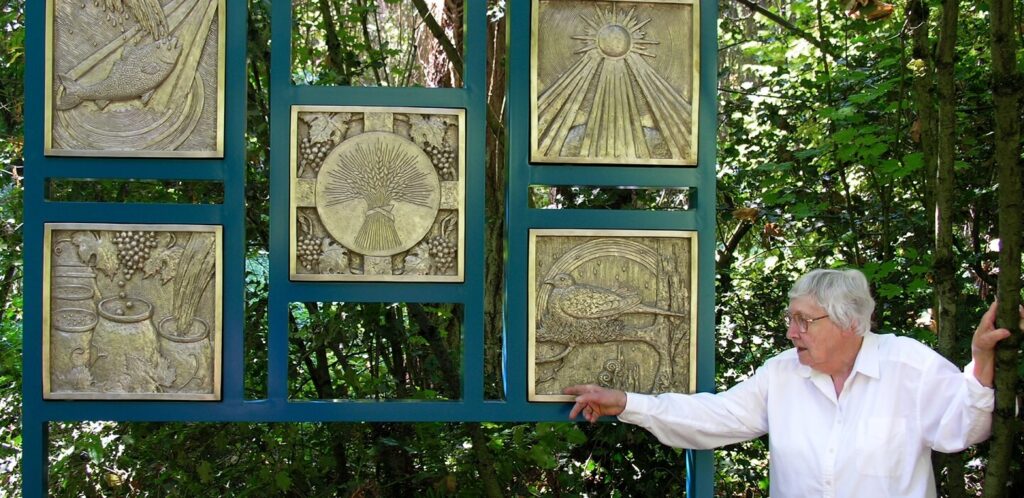
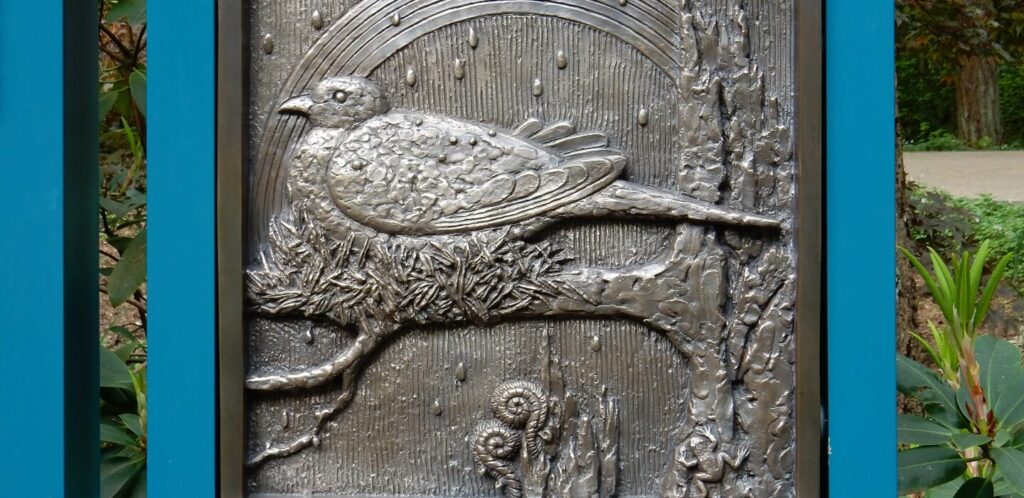
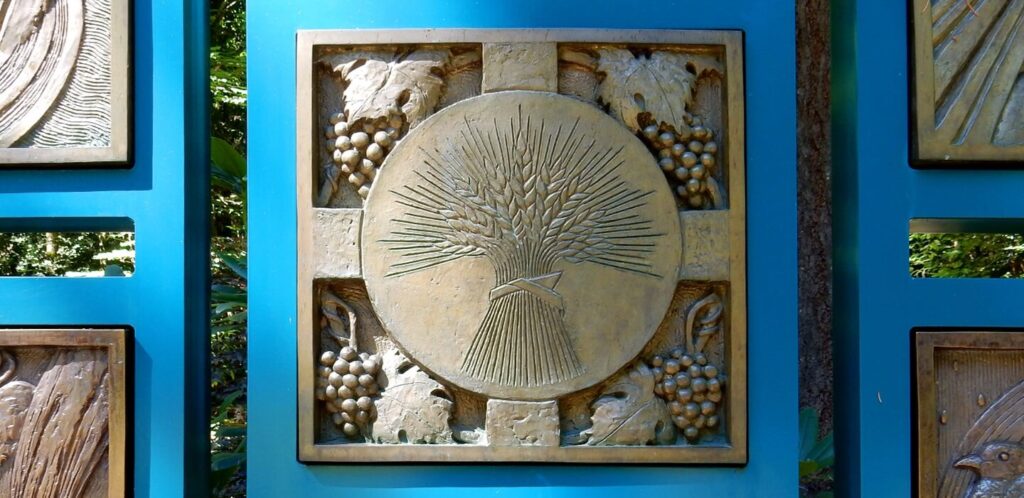
Sculptor Mary Lewis is the artist responsible for creating a quintet of bronze reliefs depicting the five Luminous Mysteries of the Rosary established by Pope John Paul II. Lewis completed these special pieces of artwork in 2005, adding to the existing bronze reliefs of the other Mysteries of the Rosary that she created for The Grotto in 1989.
Mary Lewis has been one of Oregon’s premier artists of over 50 years. Her studio is in Rainier, Oregon. Much of her work contains religious themes; her sculptures can be found around the country.
The Monastery
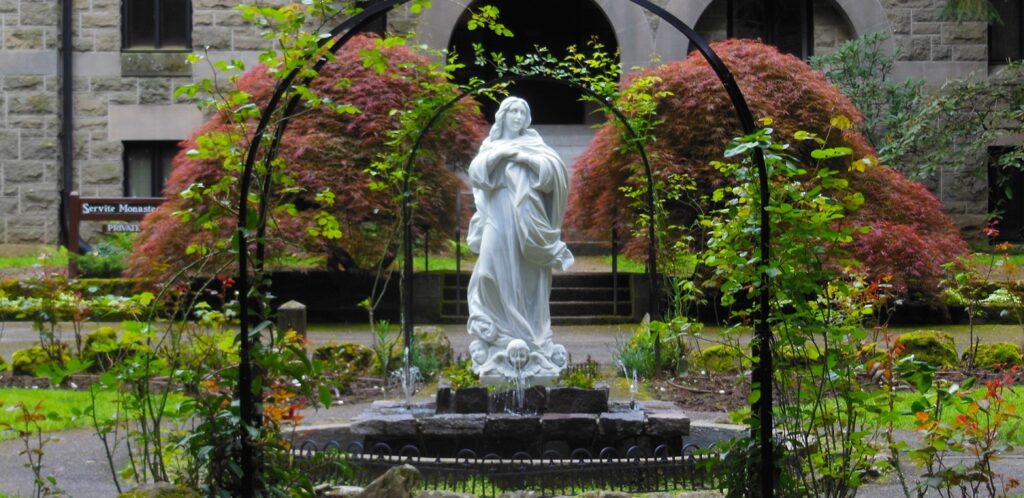
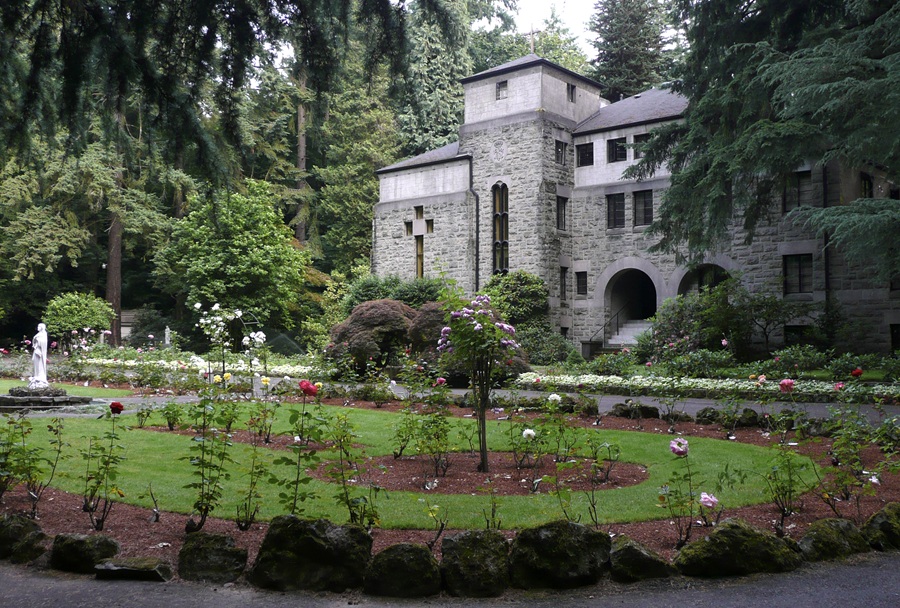
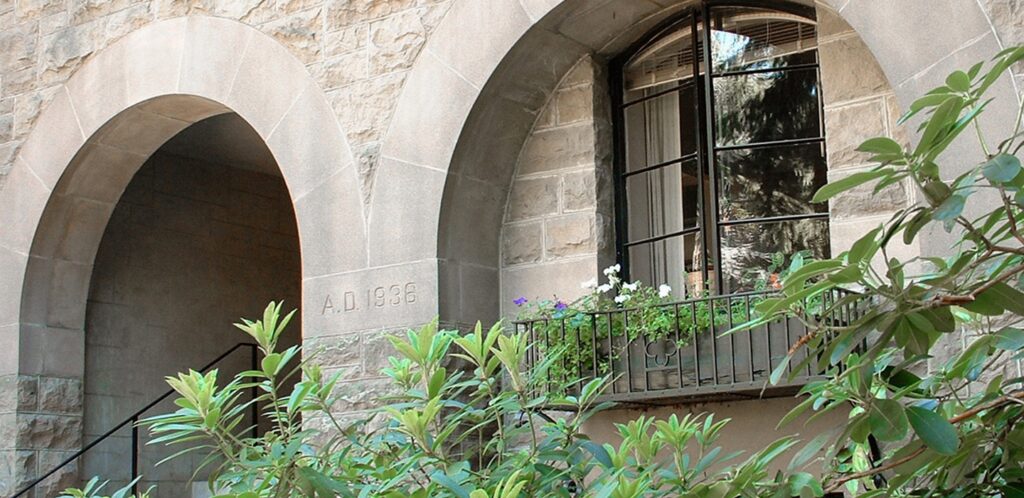
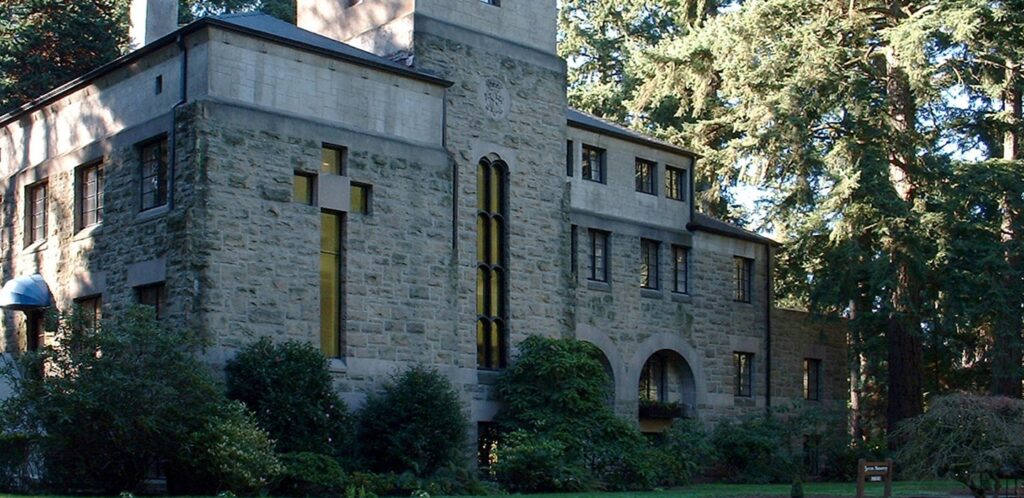
The Monastery is home to the Servite Friars; it was built in 1936. The Monastery can accommodate up to twelve priests and brothers. The rock exterior is sandstone from Washington State. The Monastery interior was renovated in 1985.
The Rose Garden
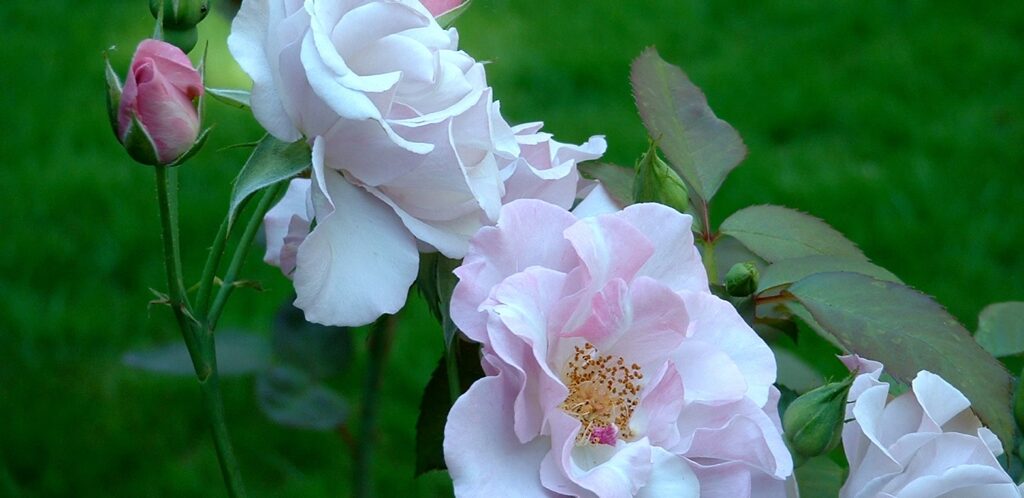
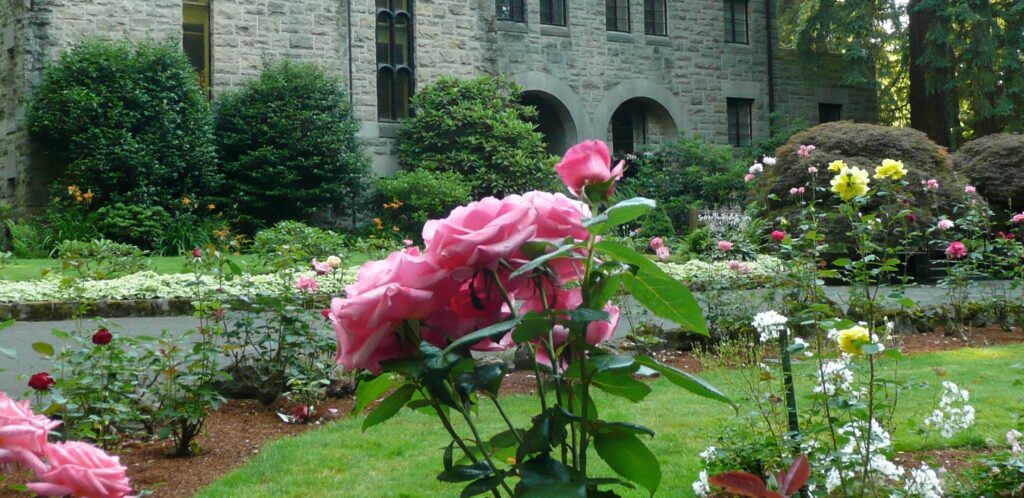
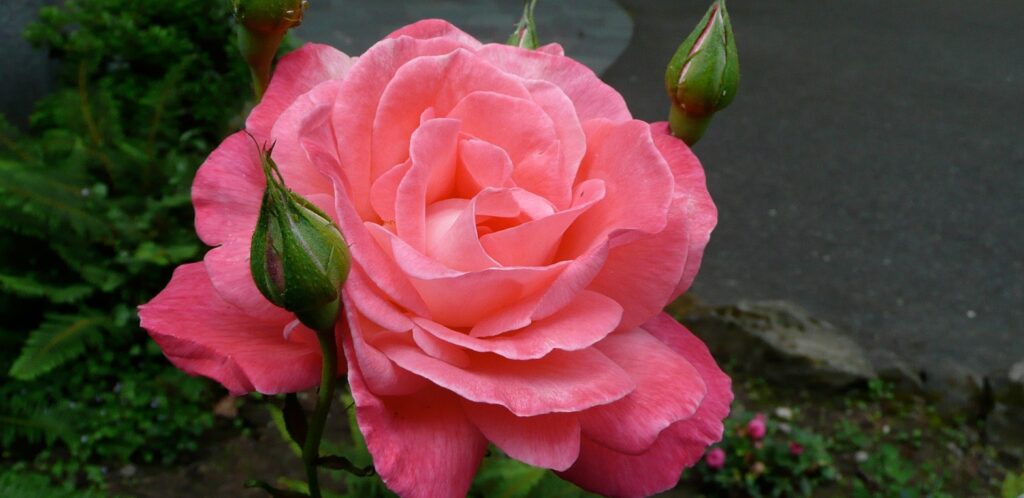
This lovely garden has produced many award-winning roses. It is maintained by volunteers. In recent years the gardens have expanded through generous Mother’s Day donations from supporters who have had rose bushes planted in honor of their own mothers. Visitors and friars alike enjoy the sweet fragrance of the beautiful roses.
St. Anne's Chapel
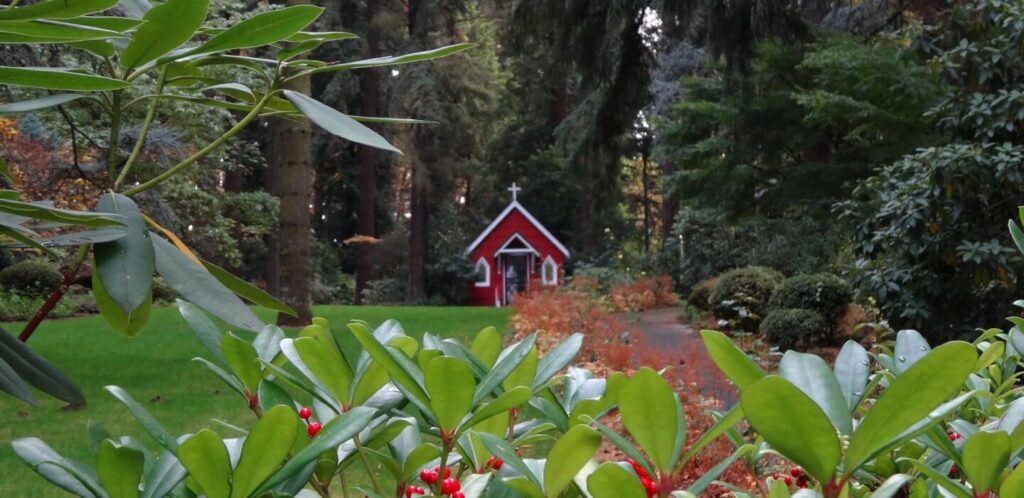
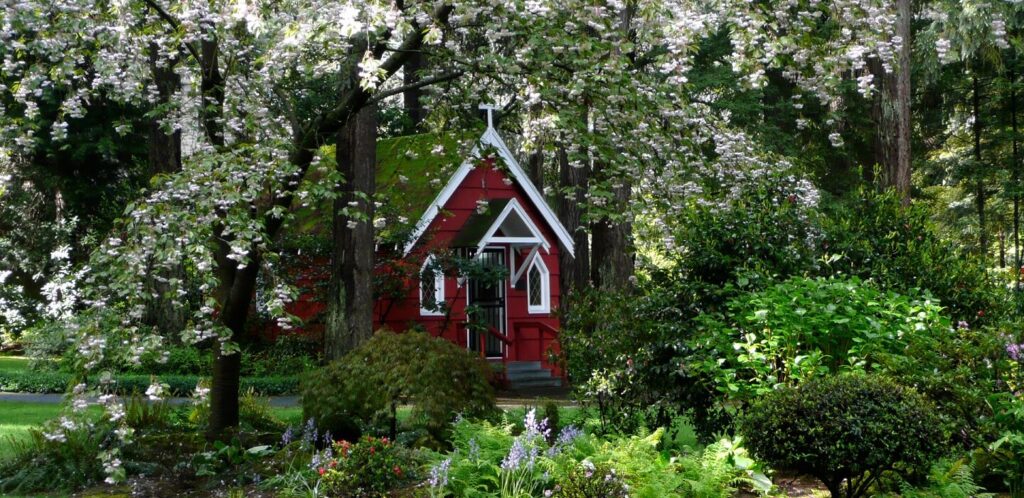
This little chapel-like building honors St. Anne, the mother of Mary. Built in 1934 to house the Blessed Sacrament during the first International Marian Congress held in the United States, it now houses reproductions of numerous Madonna paintings from around the world.
Via Matris
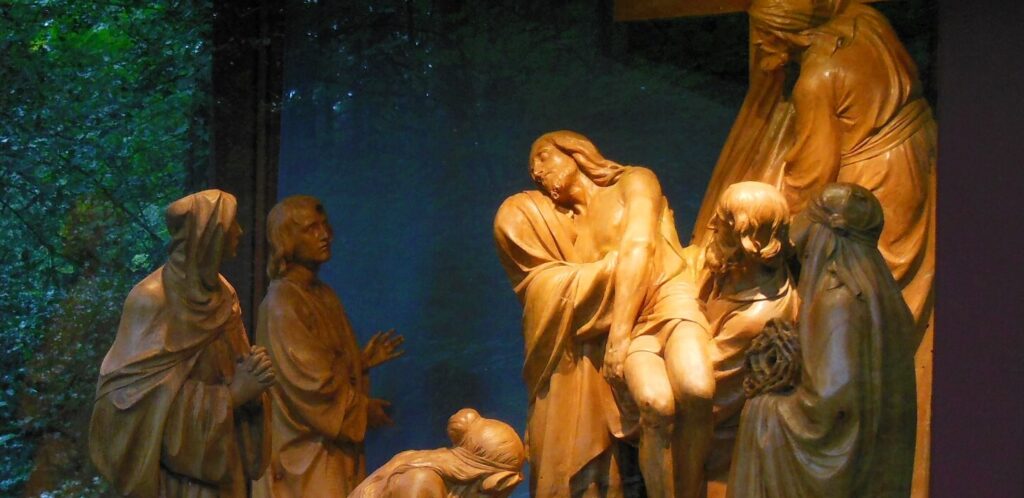
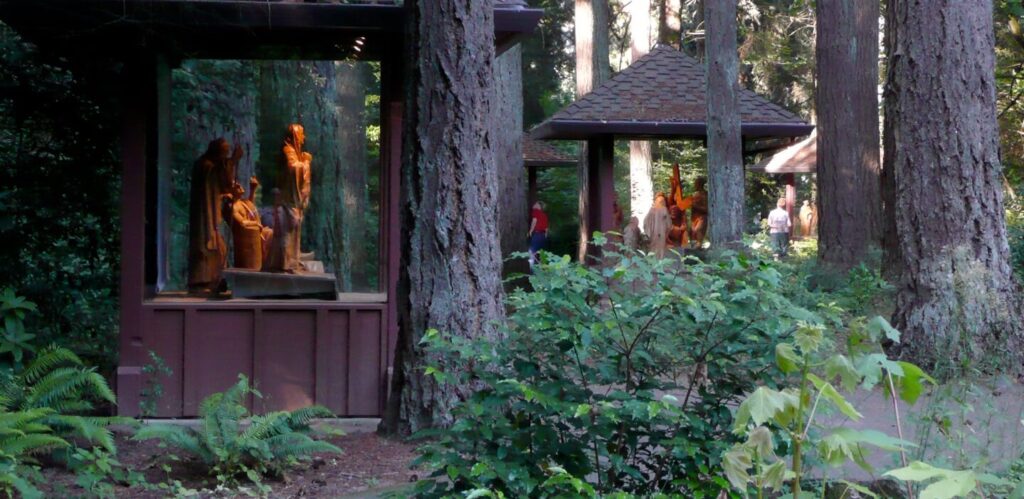
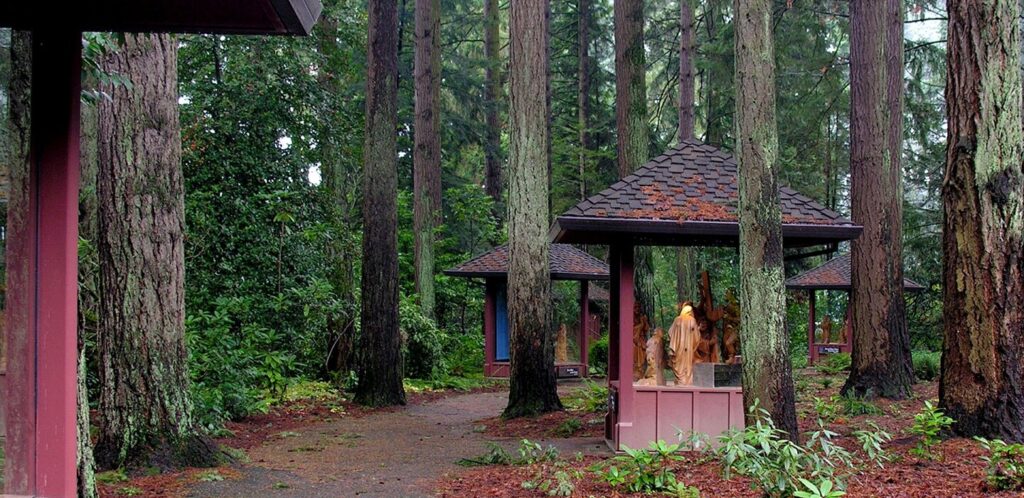
This area is dedicated to the role of Mary in the life of her son, Jesus. The Via Matris, or Way of Our Sorrowful Mother, showcases 34 exquisite wood carvings that are the work of Professor Heider of Pietralba, Italy. They were sculpted from white pine and were originally painted. However, with generous donations they have since been restored to their natural wood state and placed in new housing.
Labyrinth
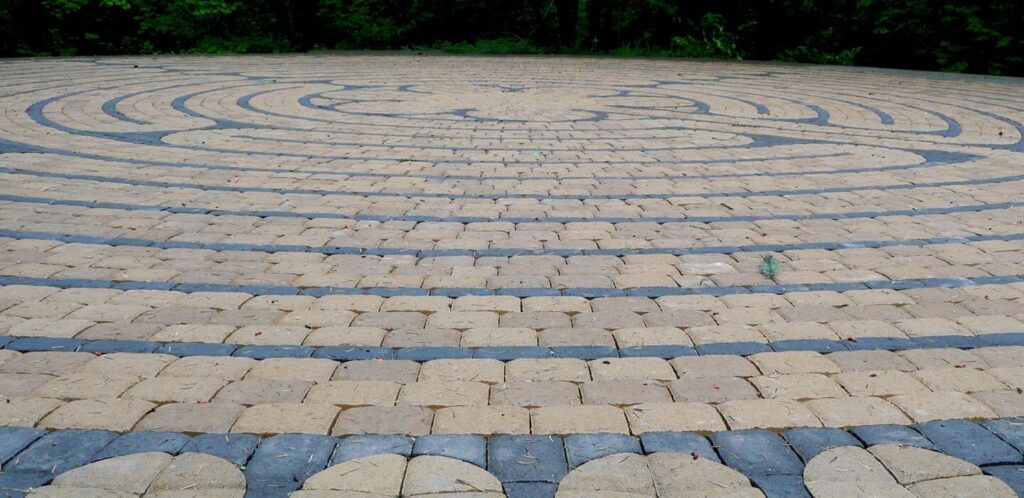
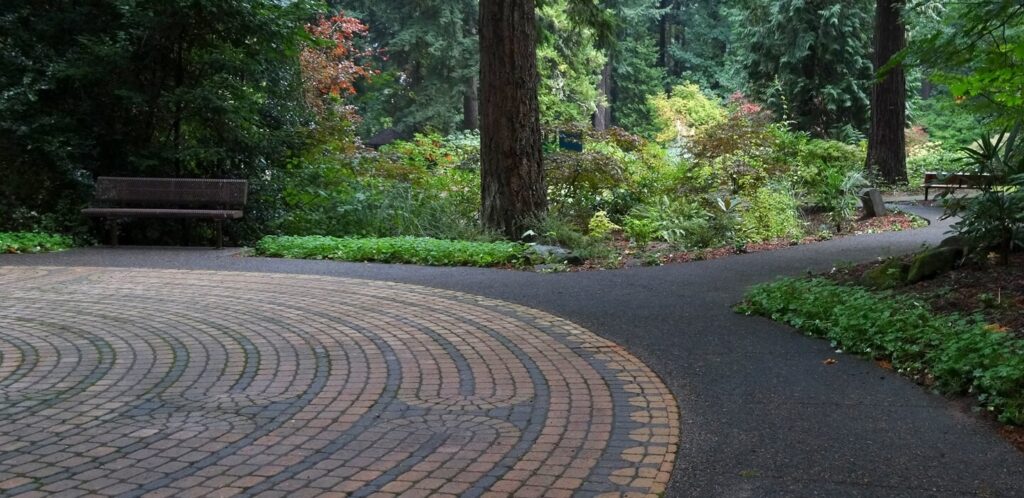
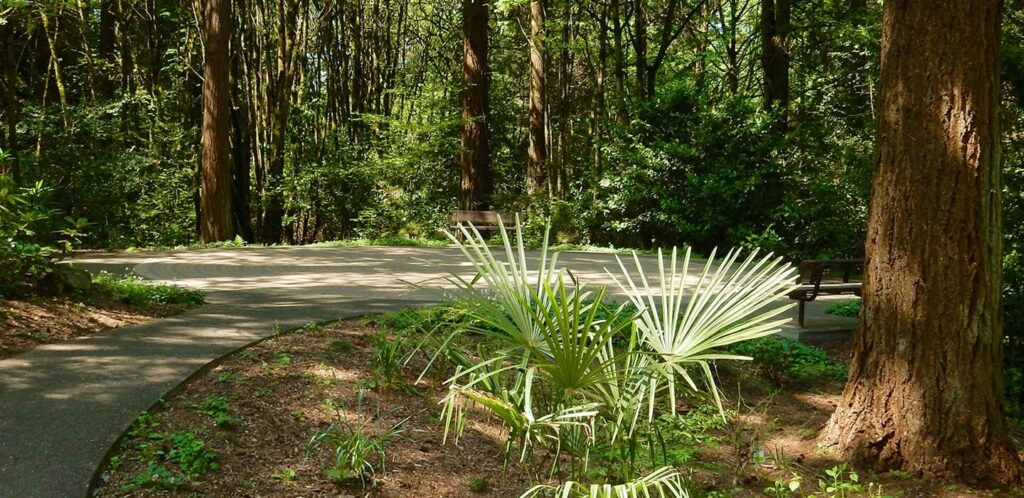
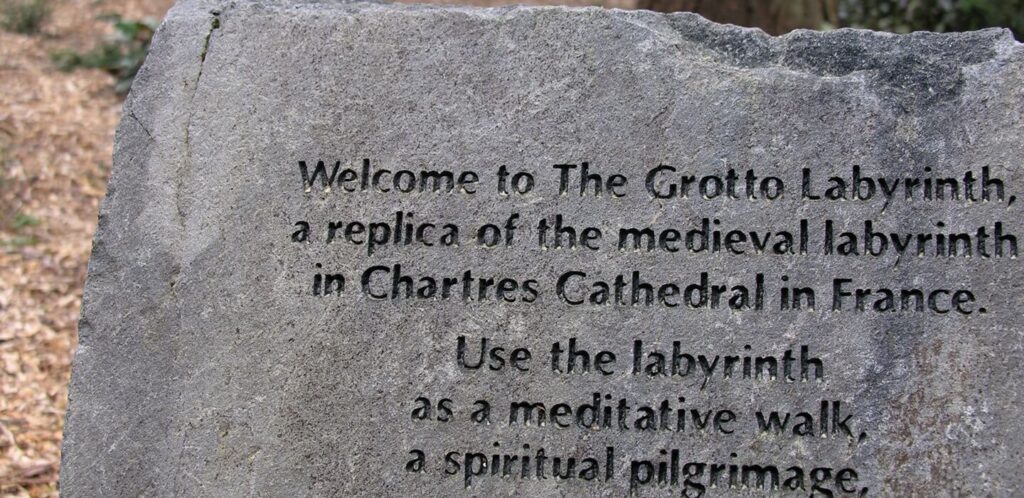
The Grotto labyrinth is a replica of the medieval labyrinth in Chartres Cathedral in France. Originally used as a “mini pilgrimage” or spiritual journey for those who could not travel to the Holy Land or some other sacred site, labyrinths today continue to offer an opportunity for meditation and contemplation as one walks to the center and back out again.
Shrines
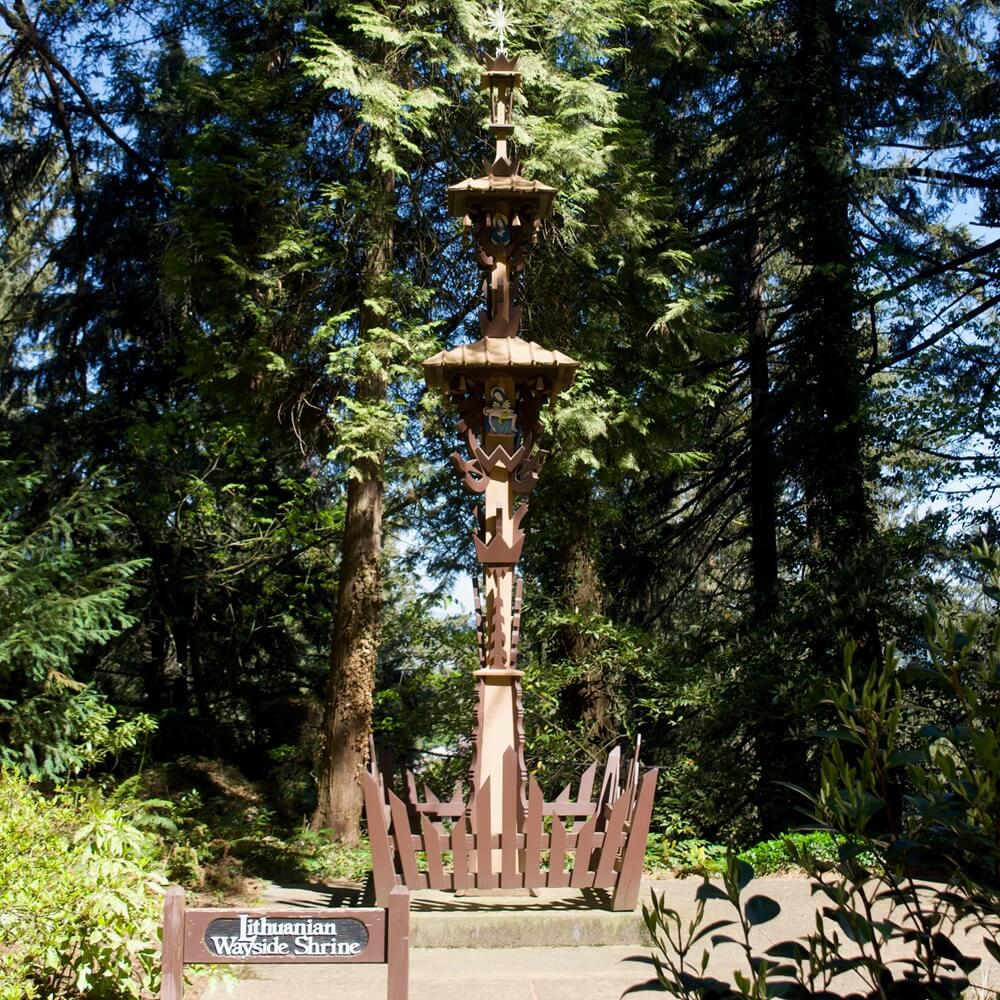
Lithuanian Wayside Shrine
This Lithuanian Shrine was dedicated in 1963 to those who struggled for the freedom of that country fighting for liberty during World War II. Typical of the ancient practice of wayside shrines in Lithuania it is set in a grove of trees.
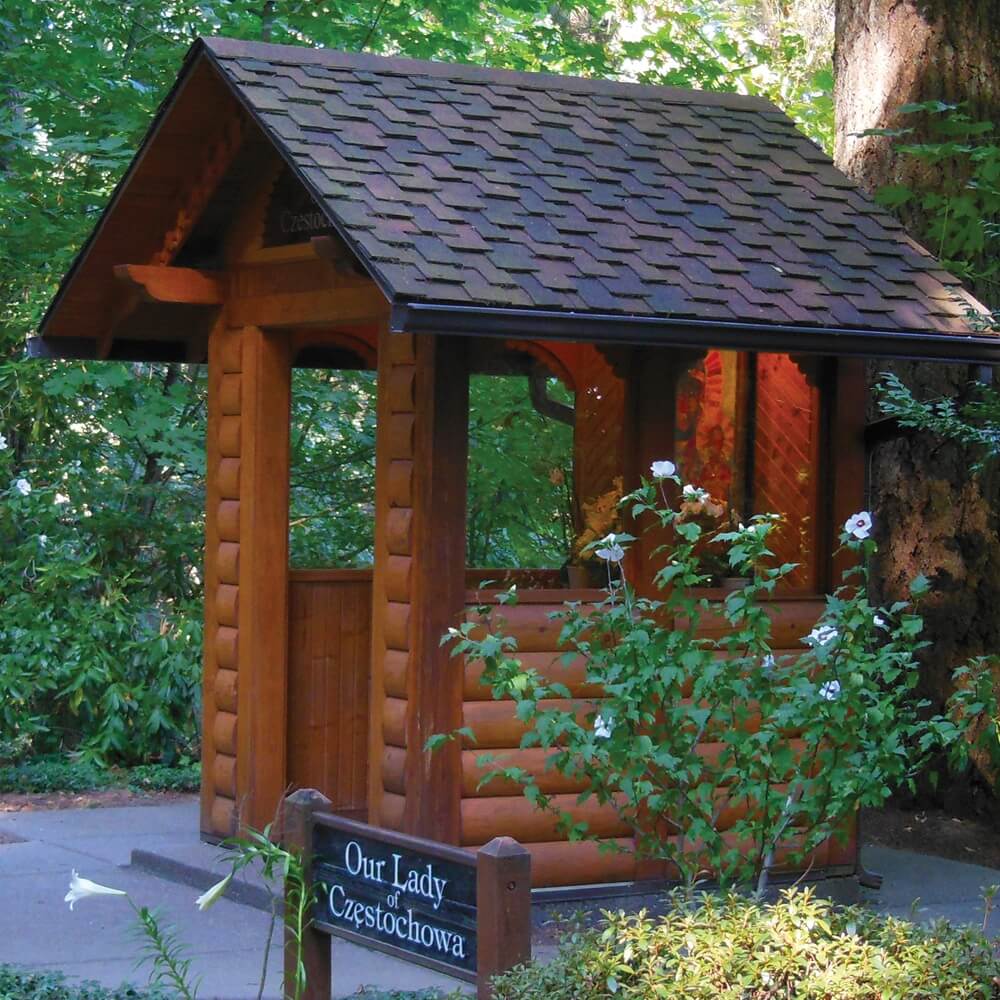
Our Lady of Czestochowa Polish Shrine
This shrine was made possible in large part through the support of the local Polish community of St. Stanislaus Catholic Church, which celebrated its 100th anniversary in 2007.
The outdoor shine at The Grotto contains a replica of the icon popularly known as the Black Madonna. The icon, depicting Mary and her child Jesus, darkened from the soot of candles and incense over the centuries, bears scars of vandalism from the fifteenth century.
A pilgrimage destination for hundreds of years, the shrine dedicated to Our Lady of Czestochowa in Poland continues to draw countless pilgrims today. The icon’s origins and early history are steeped in legend, attributing the authorship to St. Luke the Evangelist. Critical studies have dated the image back to the fourteenth century. Battles won, territories protected, and countless healings have all been credited to prayer before the image of Our Lady of Czestochowa.
Dambana, Filipino Faith Shrine
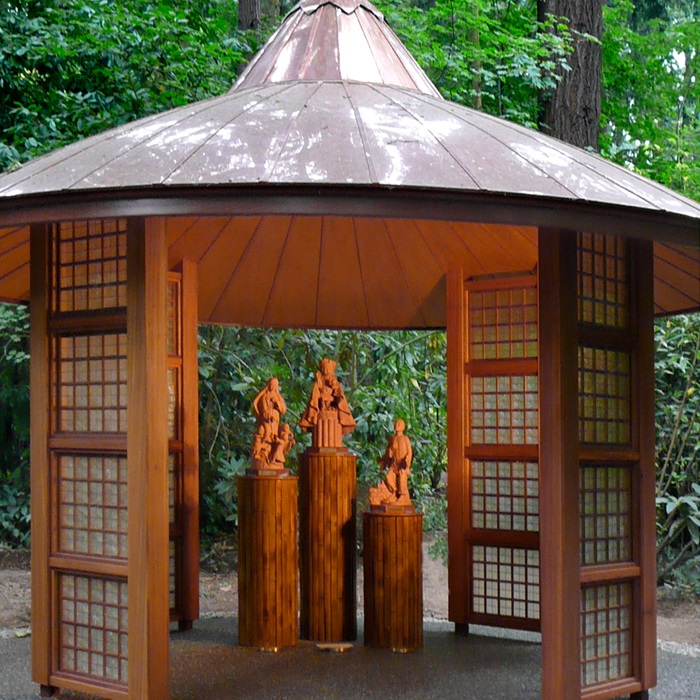
The Dambana (Tagalog translation for altar) is like a pergola, only shaped like a traditional Filipino woman’s head gear called salakot. The columns, which also serve as walls, are made of capiz, a kind of flat seashell commonly used on windows in Filipino homes. The Dambana was designed by Hermes Mallari.
In the center of this circular shrine there are three stands covered with bamboo. Three sculptures are enshrined on these stands: San Lorenzo Ruiz, the first canonized Filipino saint; the Blessed Virgin Mary; and the Santo Nino of Cebu – intercessors with whom Filipinos share a marked affinity. The beautiful sculptures were created by artist Ferdie Sacdalan. The Filipino Community of Oregon and SW Washington, in partnership with The Grotto, collaborated to build this shrine, dedicated in 2008.
Our Lady of Lavang Shrine (Dedicated July 5, 2016)
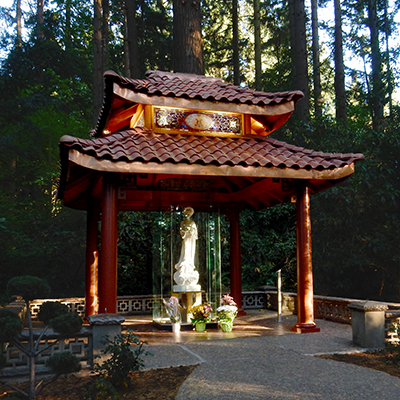
This shrine honors Mary and her apparition to the faithful Vietnamese Catholics as they hid in the jungle during the final years of the 18th century to avoid persecution for their faith. The Virgin Mary gave them courage and hope, and in the following years the faithful built a church to give thanks to God for the apparition of the Mother of God.
The construction of this impressive shrine was organized by the members of the Vietnamese community and the Southeast Asian Vicariate in the Archdiocese of Portland in Oregon.
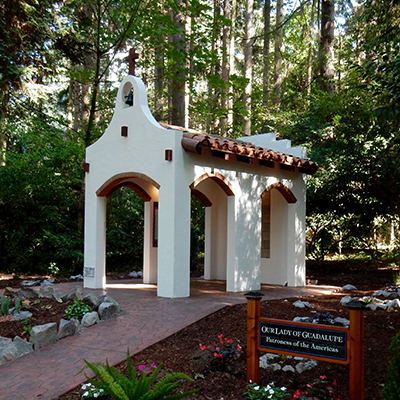
Shrine of Our Lady of Guadalupe, Patroness of the Americas (Dedication Oct. 29, 2016)
The mosaics in this shrine tell the story of Our Lady’s appearance to Juan Diego, an Aztec Indian who had converted to the Catholic faith. Mary asked that a church be built on the hill of Tepeyac. Juan Diego delivered the message to the bishop, who demanded a sign from the Virgin Mary. The humble man returned to the place of the apparition, and once more Mary appeared to him. She told him to gather some roses in his cloak in front of the bishop. When Juan Diego opened his cloak in front of the bishop, an image of the Virgin, just as he had seen her, appeared on the cloak. The bishop believed and a chapel was built, which marked the beginning of the devotion to Mary in the new world and the spread of the Christian faith.

The Knights of Columbus of Oregon coordinated the construction of this shrine, in cooperation with the Hispanic community.